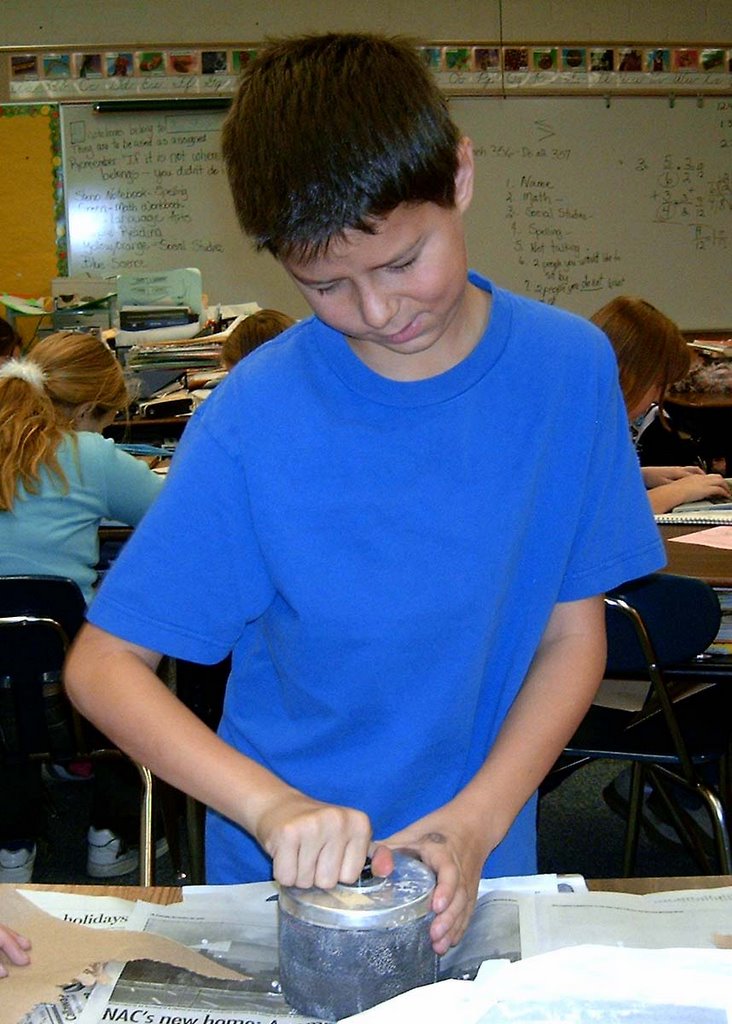
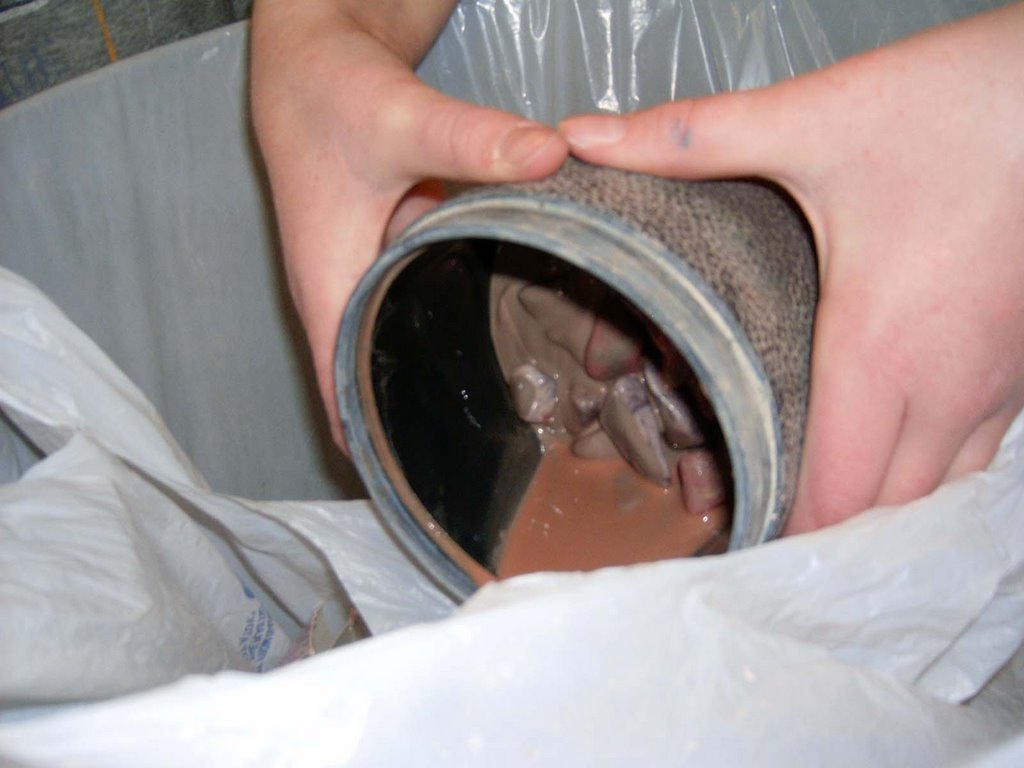
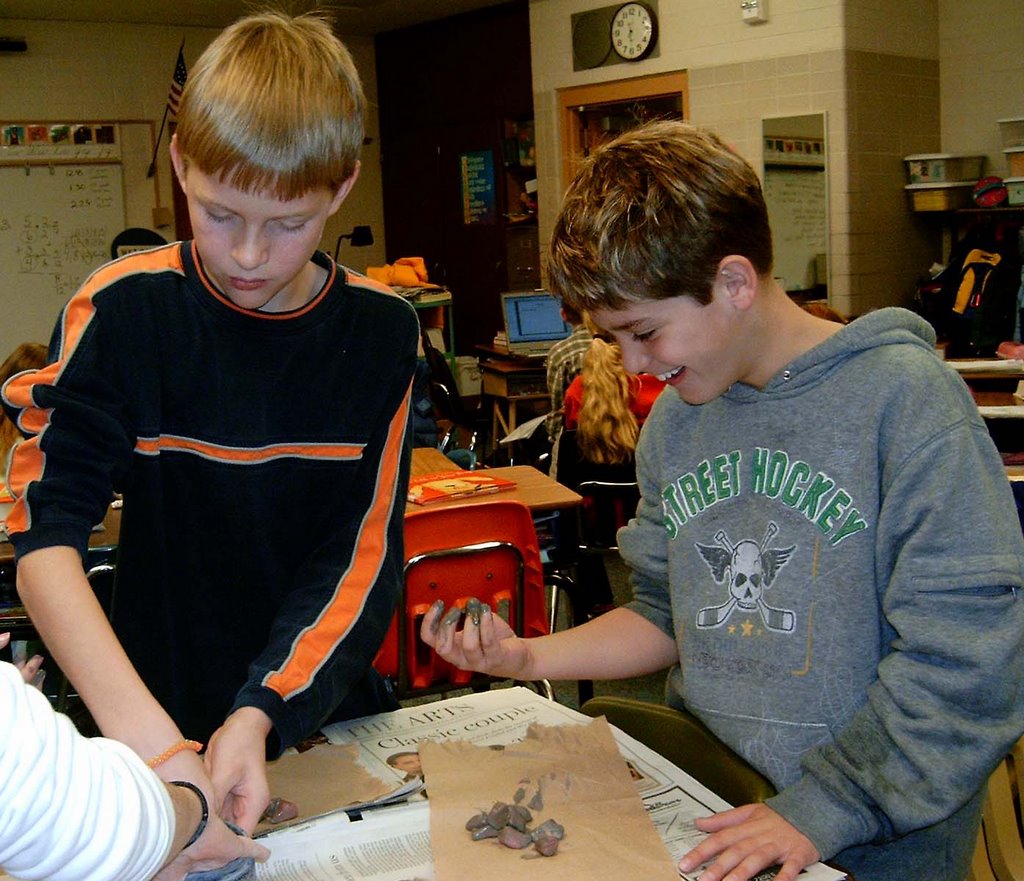
Ms. Stupelli sent us this note:
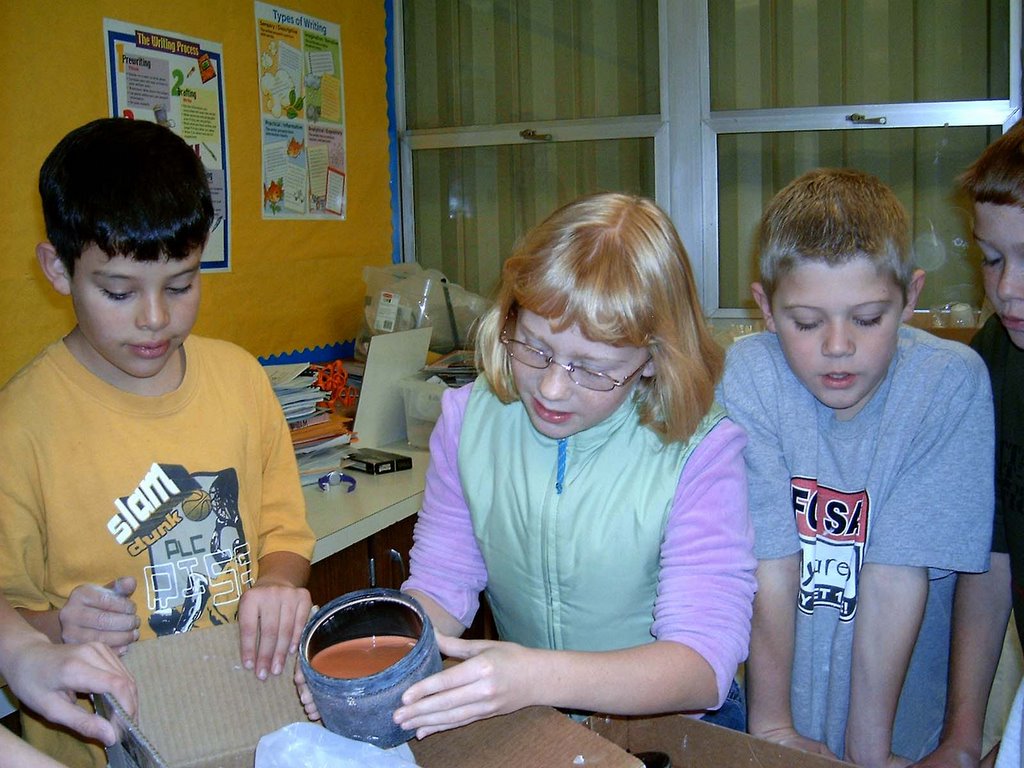
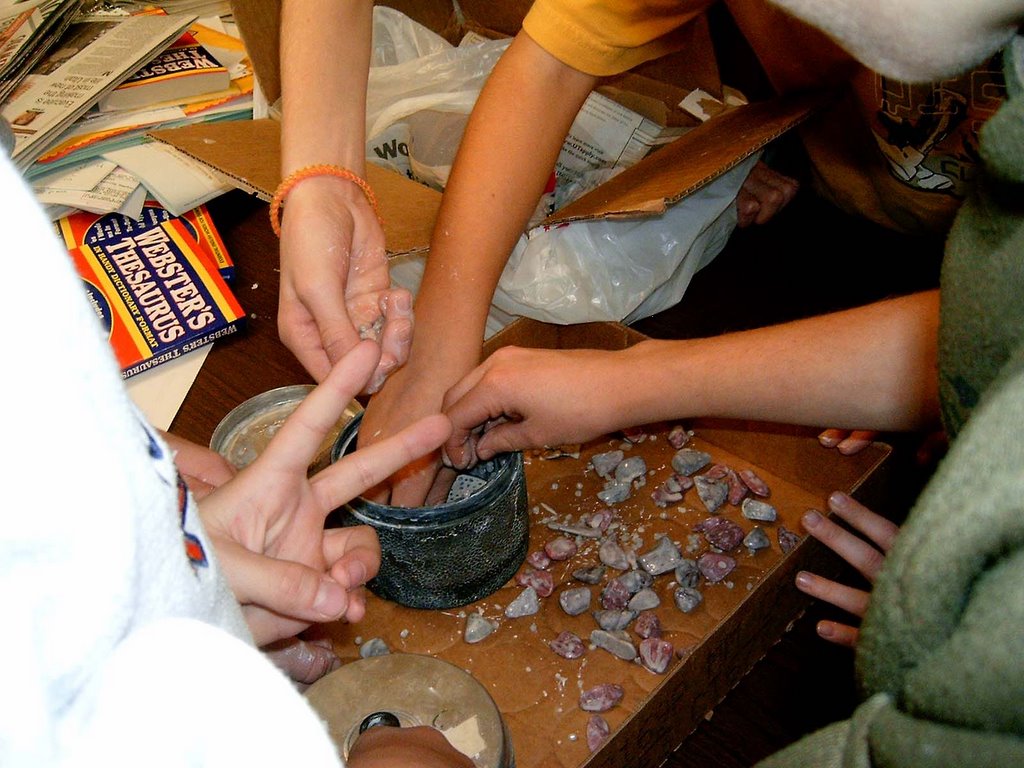
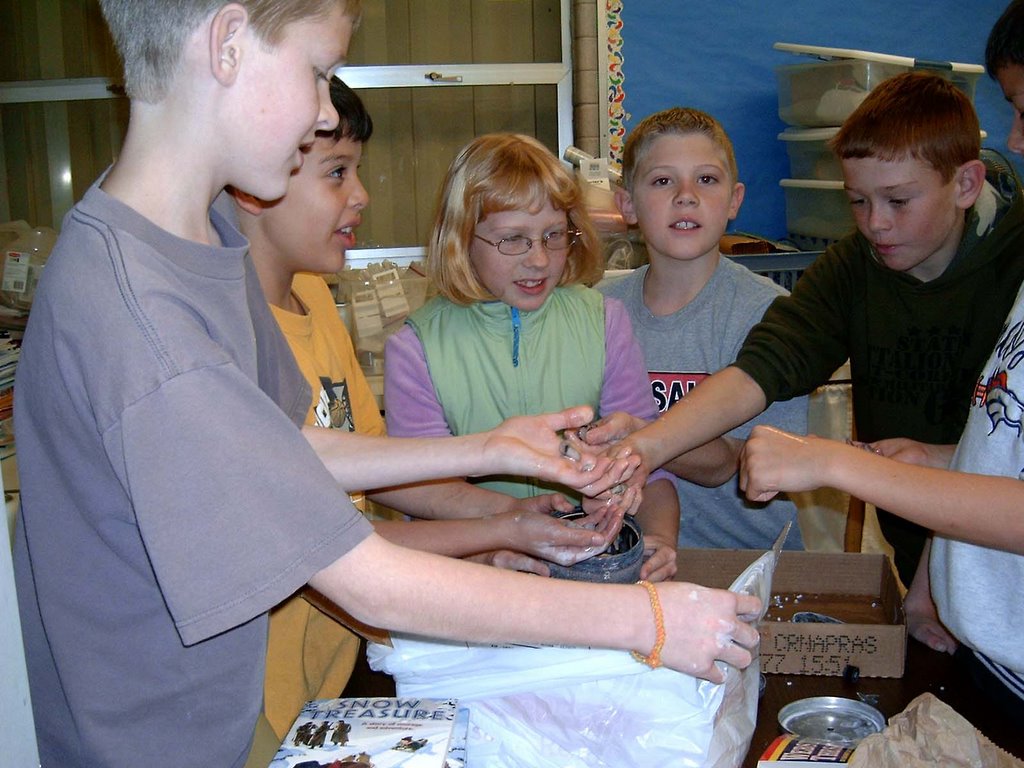
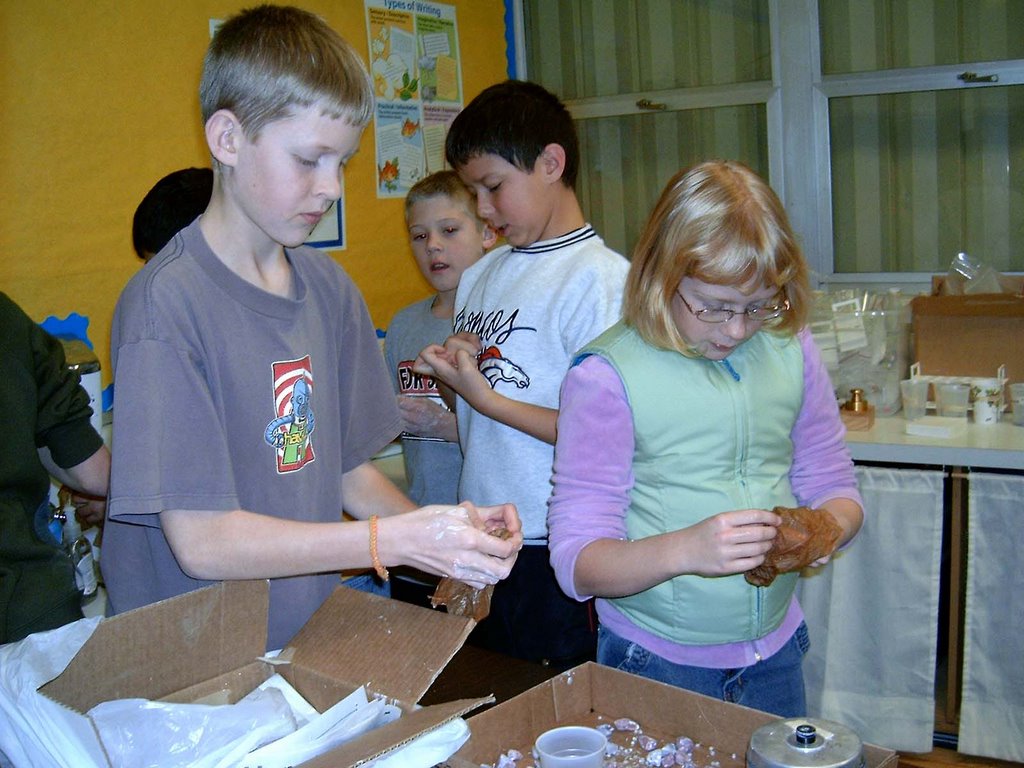
My students know that we are "weathering and eroding" rocks in
fast motion with the rock tumbler. Each time we've swapped them out, we've compared the current condition of the rocks with the previous week's rocks. We now have samples of all four stages.
The Utah State Core Curricula requires the following be taught in 5th grade:
STANDARD II: Students will understand that volcanoes, earthquakes,
uplift, weathering, and erosion reshape Earth's surface.
Objective 1: Describe how weathering and erosion change Earth's
surface.
a. Identify the objects, processes, or forces that weather and
erode Earth's surface (e.g., ice, plants, animals, abrasion, gravity,
water, wind).
b. Describe how geological features (e.g., valleys, canyons,
buttes, arches) are changed through erosion (e.g., waves, wind,
glaciers, gravity, running water).
c. Explain the relationship between time and specific geological
changes.
Objective 2: Explain how volcanoes, earthquakes, and uplift affect
Earth's surface.
a. Identify specific geological features created by volcanoes,
earthquakes, and uplift.
b. Give examples of different landforms that are formed by
volcanoes, earthquakes, and uplift (e.g., mountains, valleys, new
lakes, canyons).
c. Describe how volcanoes, earthquakes, and uplift change
landforms.
d. Cite examples of how technology is used to predict volcanoes
and earthquakes.
Objective 3: Relate the building up and breaking down of Earth's
surface over time to the various physical land features.
a. Explain how layers of exposed rock, such as those observed in
the Grand Canyon, are the result of natural processes acting over long
periods of time.
b. Describe the role of deposition in the processes that change
Earth's surface.
c. Use a time line to identify the sequence and time required for
building and breaking down of geologic features on Earth.
d. Describe and justify how the surface of Earth would appear if
there were no mountain uplift, weathering, or erosion.
Science language students should use:
earthquakes, erode, erosion, faults, uplift, volcanoes, weathering,
buttes, arches, glaciers, geological, deposition